

A New Era of Longer Lives
In 2026, a remarkable global trend is gaining attention from scientists, doctors, and policymakers around the world. People are living longer than ever before, and the phenomenon is often referred to as the “longevity boom.” Advances in medical science, healthier lifestyles, and innovative technologies are helping millions of individuals extend their life expectancy while maintaining better quality of life.
Just a century ago, reaching the age of 70 was considered extraordinary in many parts of the world. Today, living into the late 80s or even 90s is becoming increasingly common in many countries. Researchers believe that the coming decades could see even more dramatic improvements in human longevity.
While genetics still play a role in determining lifespan, modern science and lifestyle choices are proving to be powerful tools that allow people to live longer, healthier lives.
⸻
Medical Breakthroughs Transforming Healthcare
One of the most important reasons behind longer life expectancy is the rapid advancement of medical technology. Over the past two decades, healthcare has been transformed by new diagnostic tools, improved treatments, and cutting-edge research.
Doctors are now able to detect diseases much earlier than before. Early detection of conditions such as cancer, heart disease, and diabetes allows patients to begin treatment sooner, greatly increasing their chances of survival.
Artificial intelligence is also revolutionizing healthcare. Advanced algorithms can analyze medical images, patient records, and genetic data to help doctors make faster and more accurate diagnoses. Companies such as Google and Microsoft are developing powerful AI tools that assist healthcare professionals in analyzing complex medical information.
Meanwhile, biotechnology research is exploring ways to slow the biological processes associated with aging. Scientists are studying how cells age and how certain therapies might extend healthy lifespans.
⸻
Health Technology in Everyday Life
Technology is no longer limited to hospitals and research labs. In 2026, health technology has become part of everyday life for millions of people.
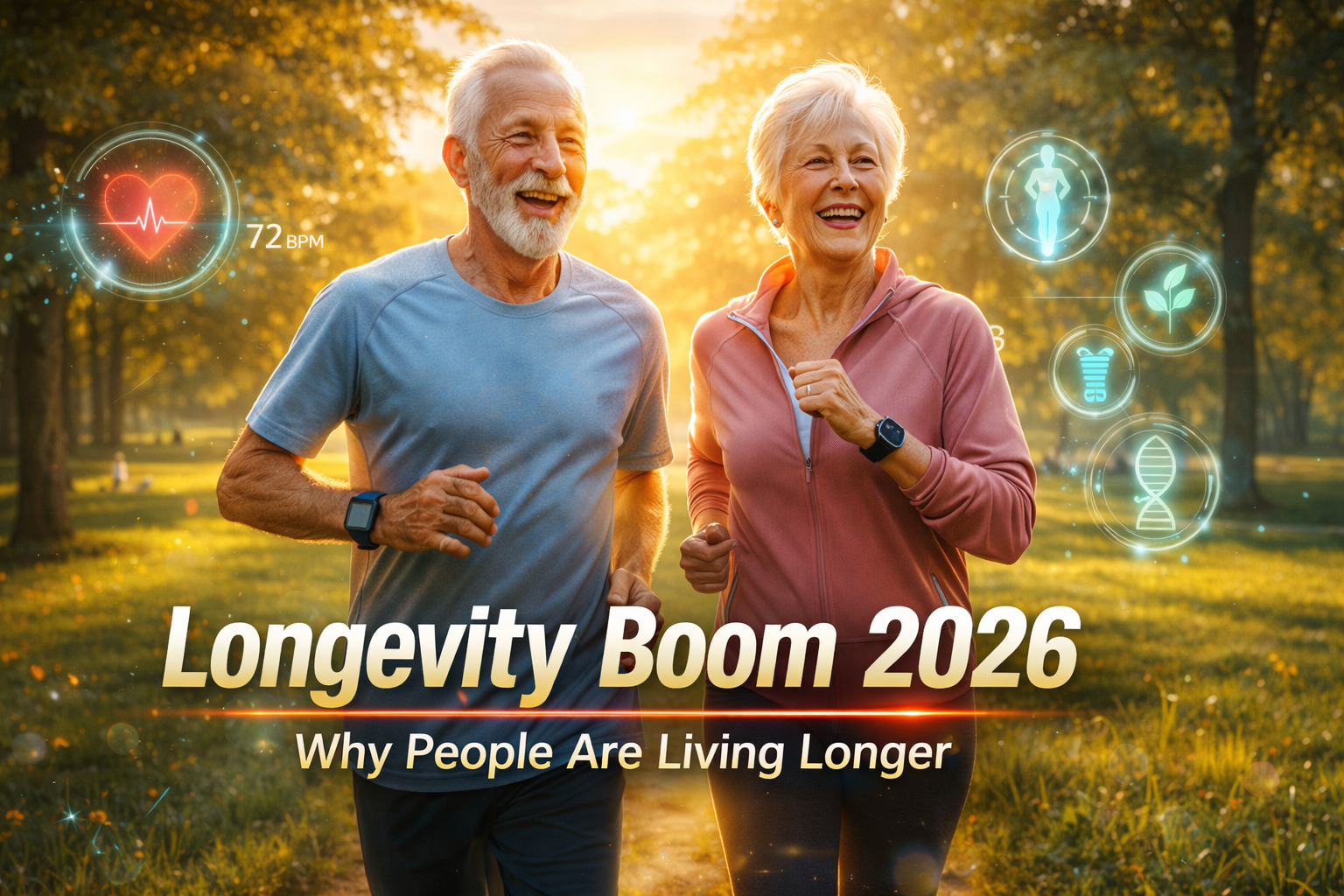
Smartwatches and wearable devices can monitor heart rate, sleep patterns, physical activity, and even blood oxygen levels. These devices provide real-time data that helps individuals better understand their health and make smarter lifestyle choices.
Health applications also provide reminders to exercise, drink water, or maintain healthy sleep schedules. These small daily habits can have a significant impact on long-term health.
Digital healthcare platforms are also making medical services more accessible. Online consultations allow patients to connect with doctors without needing to visit clinics, making healthcare easier and more efficient.
⸻
The Power of Healthy Lifestyle Choices
While medical technology plays an important role, lifestyle choices remain one of the biggest factors influencing longevity.
Across the world, people are becoming more aware of the importance of healthy living. Balanced diets, regular physical activity, and mental wellness practices are gaining popularity.
Nutrition science has revealed the benefits of diets rich in fruits, vegetables, whole grains, and healthy fats. Many experts believe that plant-based diets and Mediterranean-style eating patterns can significantly reduce the risk of chronic diseases.
Exercise is another key factor in longevity. Even moderate activities such as walking, cycling, or yoga can improve cardiovascular health, strengthen muscles, and enhance overall well-being.
Mental health is also receiving more attention. Stress management techniques such as meditation, mindfulness, and breathing exercises are helping people maintain emotional balance in an increasingly fast-paced world.
⸻
The Importance of Social Connections
Longevity is not just about physical health. Social relationships also play a crucial role in how long people live.
Studies have consistently shown that individuals who maintain strong social connections tend to live longer and healthier lives. Friendships, family relationships, and community involvement contribute to emotional well-being and reduce feelings of loneliness.
Communities around the world are recognizing this connection and creating programs that encourage social interaction, particularly for older adults. Community centers, cultural events, and volunteer opportunities help people stay engaged and active.
Human connection, it turns out, may be just as important for longevity as medical treatment or exercise.
⸻
Cities Designed for Healthier Living
Another factor contributing to the longevity boom is the way cities are evolving. Urban planners are increasingly designing environments that promote healthier lifestyles.
Parks, green spaces, walking paths, and cycling lanes encourage people to stay physically active. Access to clean air, safe neighborhoods, and recreational areas can significantly influence overall health.
Some cities are even incorporating “smart city” technologies that monitor environmental conditions and improve public services. These innovations aim to create urban environments that support long-term health and sustainability.
⸻
Scientific Research Into Aging
Scientists are also exploring the biological mechanisms behind aging. Researchers in fields such as genetics, biotechnology, and regenerative medicine are studying how aging affects cells and tissues.
Some experimental therapies aim to repair cellular damage or slow the aging process. While many of these treatments are still in early stages of development, they have sparked optimism among researchers studying human longevity.
Companies in the biotechnology sector are investing heavily in anti-aging research, hoping to develop treatments that extend healthy life spans rather than simply increasing the number of years people live.
The goal of longevity science is not just to help people live longer but to ensure they remain healthy and active throughout their lives.
⸻
A Future of Longer, Healthier Lives
The longevity boom is reshaping societies across the world. As people live longer, governments and communities must adapt healthcare systems, retirement planning, and social programs to meet the needs of aging populations.
However, the trend also represents one of the most positive developments in modern history. Longer life expectancy means more time for people to pursue careers, spend time with loved ones, and contribute to their communities.
For individuals, the message is simple: the choices made today can influence the quality and length of life tomorrow.
Healthy habits, regular medical checkups, strong relationships, and active lifestyles can all play a role in extending life expectancy.
In 2026, the longevity boom is no longer just a scientific concept—it is a global reality that is transforming the way humanity thinks about aging and the future of life itself. 🌍✨