

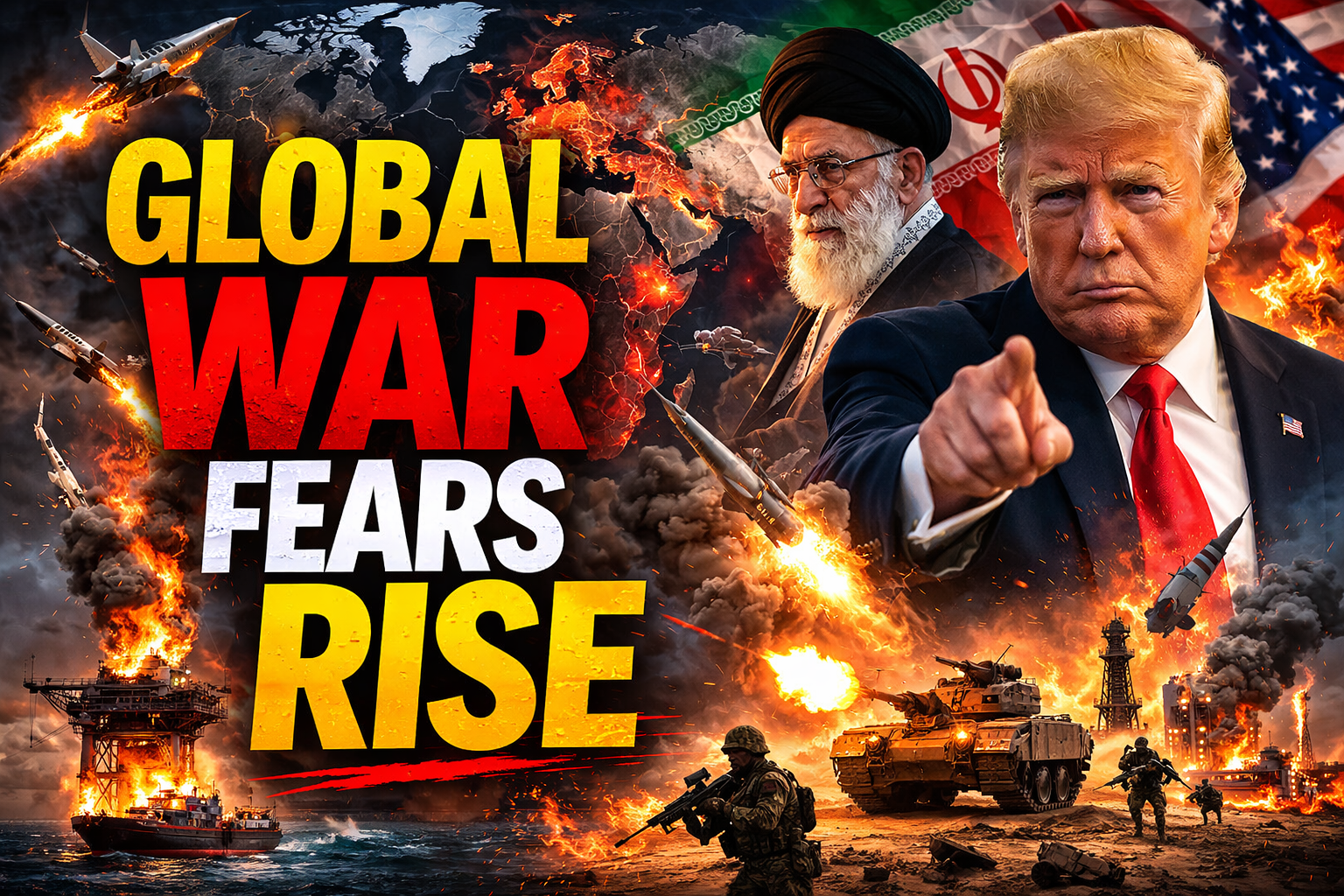
US-Iran War Escalates: Trump Warns of More Strikes on Iran’s Key Oil Hub Kharg Island
Tensions in the Middle East have surged dramatically as the growing conflict between the United States and Iran continues to intensify. The situation escalated after military strikes targeted Kharg Island, Iran’s most important oil export terminal, triggering fears of a wider regional conflict and possible disruptions to the global energy market.
Political leaders, military officials, and global analysts are closely watching the situation, as further escalation could impact international shipping routes, oil prices, and geopolitical stability.
Strategic Importance of Kharg Island
Kharg Island plays a critical role in Iran’s economy. Located in the Persian Gulf, the island handles the majority of Iran’s oil exports, making it one of the most strategically important energy hubs in the Middle East.
According to reports from Reuters, the recent attacks targeted facilities linked to Iran’s energy infrastructure and military operations. Analysts believe the strikes were designed to weaken Iran’s ability to fund and support regional operations.
External source:
https://www.reuters.com/world/middle-east/
Damage to oil facilities on Kharg Island could significantly disrupt global oil supply chains. Because Iran is one of the world’s major oil producers, any instability around its export facilities often sends shockwaves across international markets.
Energy experts warn that prolonged conflict in the region could drive global oil prices higher and increase volatility in financial markets.
Trump Signals Possible Further Military Action
Former U.S. President Donald Trump has reportedly warned that additional military action could take place if tensions continue to rise.
Speaking about the situation, Trump suggested that the United States and its allies would respond strongly to any threats against international security or global energy supply routes.
The warning has intensified diplomatic tensions between Washington and Tehran. Iranian officials have condemned the strikes and warned of retaliation if further attacks occur.
Many analysts believe the situation could evolve into a broader confrontation if both sides continue escalating military operations.
Risk to Global Shipping Routes
One of the biggest concerns surrounding the conflict is the potential disruption of the Strait of Hormuz, one of the most important maritime chokepoints in the world.
Nearly a fifth of global oil shipments pass through this narrow waterway connecting the Persian Gulf to the global ocean trade network.
If the conflict spreads to this area, global trade and energy markets could face serious consequences.
According to reports from Al Jazeera, security experts fear that shipping routes and oil tankers could become targets if hostilities continue.
External source:
https://www.aljazeera.com/news/
Any disruption in the Strait of Hormuz would likely trigger immediate reactions from international governments and military alliances due to its vital role in global energy supply.
Growing Regional Concerns
Countries across the Middle East are monitoring the situation carefully. Several governments have reportedly increased security around energy infrastructure, ports, and military bases.
Regional tensions have already led to heightened military alerts in multiple countries across the Gulf.
International observers warn that any additional attacks or retaliatory strikes could further destabilize the region.
The conflict also raises concerns for neighboring nations whose economies rely heavily on stable oil exports and maritime trade routes.
Impact on Global Oil Markets
Energy markets are already reacting to the possibility of prolonged instability in the region.
Whenever tensions rise in the Middle East, investors typically turn their attention to oil supply risks. If production or exports from Iran are disrupted, global energy prices could rise sharply.
Experts say even limited damage to Iran’s oil infrastructure could reduce supply and push energy costs higher worldwide.
Such developments could also impact inflation and economic recovery in several countries.
Diplomatic Efforts and Global Reactions
International leaders are urging both sides to exercise restraint and avoid actions that could escalate the conflict further.
Several global organizations have called for diplomatic negotiations to prevent a wider war in the Middle East.
However, the situation remains extremely fragile, with both sides continuing to issue strong statements and warnings.
Analysts believe diplomatic intervention from global powers may be necessary to prevent the crisis from spiraling into a broader conflict.
How the Conflict Could Affect the World
The escalation between the United States and Iran is not just a regional issue—it has global implications.
Key concerns include:
• Rising oil prices
• Disruptions to international shipping routes
• Increased military tensions in the Middle East
• Economic uncertainty in global markets
If the conflict continues to intensify, it could influence geopolitical alliances and reshape security dynamics in the region.
Why the Story Is Trending Globally
The current situation has quickly become one of the most widely discussed international stories due to its potential impact on global energy supply and international politics.
Major news organizations including BBC News and Reuters are closely following developments as governments and analysts evaluate the potential consequences of the escalating tensions.
External source:
https://www.bbc.com/news
The coming days will be critical in determining whether diplomatic efforts can reduce tensions or whether further military actions will deepen the crisis.
Related Coverage
You may also want to read our analysis of global technology competition in this article:
Global AI Technology Race 2026: The Breaking Innovation Wave Transforming Industries Worldwide
(Internal link example – replace with your actual article if needed.)
Conclusion
The escalating confrontation between the United States and Iran around Kharg Island has placed the Middle East once again at the center of global geopolitical tensions.
With threats of further strikes and warnings of retaliation, the risk of a broader conflict remains a serious concern for governments, businesses, and international markets.
As the world watches closely, the next developments in this rapidly evolving crisis could determine whether the situation moves toward diplomacy or further escalation.