

This article is being updated as new developments happen.”
🔴 Latest Update (March 2026):
Digital payment usage is rapidly increasing worldwide, with new developments in Central Bank Digital Currencies (CBDCs) and government-backed digital money systems. Countries like India and China are accelerating their shift toward a cashless economy, raising fresh discussions about the future of physical money.
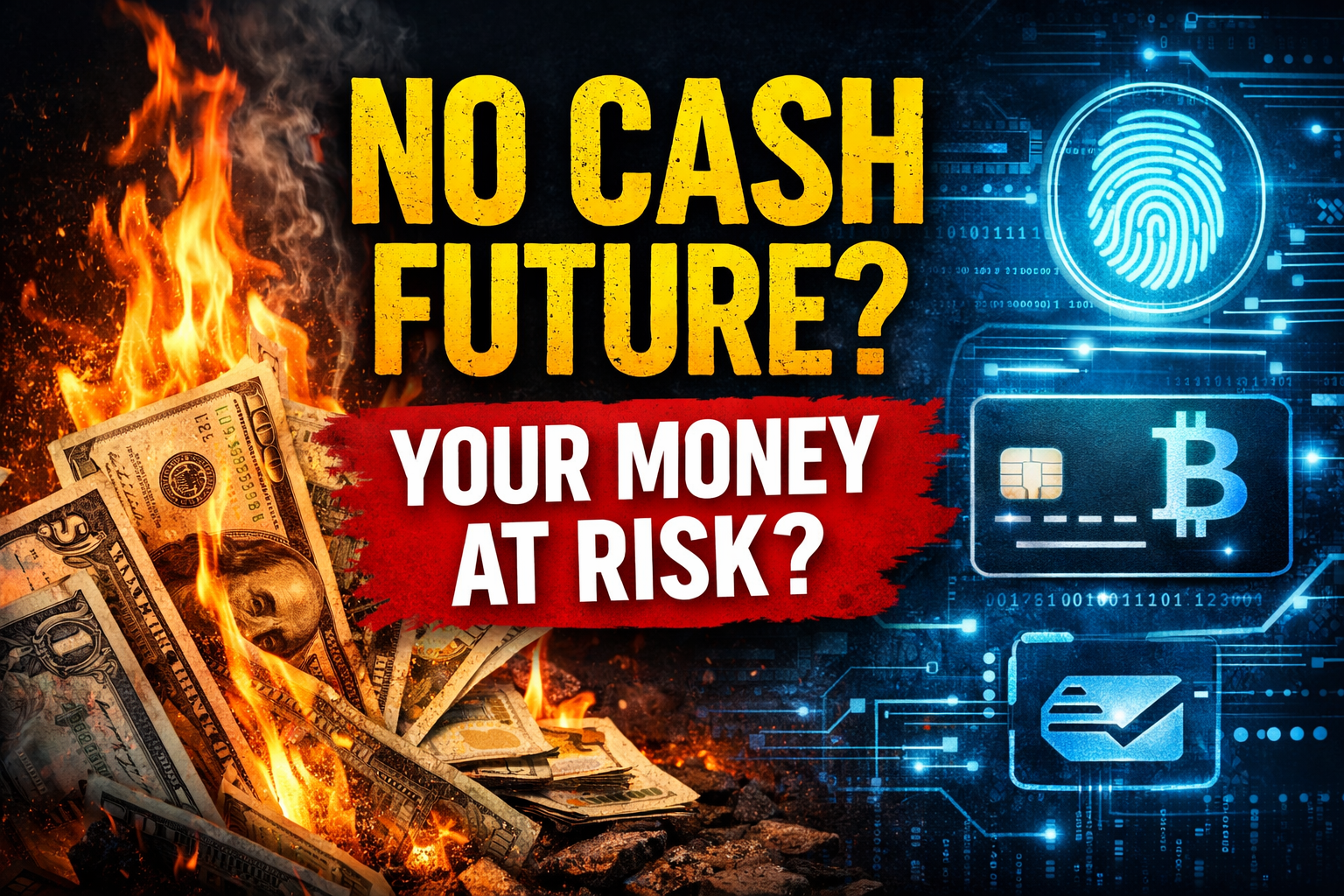
💸 Cashless Society 2026: Is the World Quietly Moving Away from Cash?
The idea of a cashless society once felt like a distant future. But in 2026, it’s becoming a reality faster than most people expected.
From mobile payments to digital wallets, physical cash is slowly losing its place in everyday life. Governments and financial institutions across the world are now actively exploring ways to reduce or even eliminate cash transactions.
Iran War Oil Crisis 2026: World War 3 Fears Rise as Fuel Prices Surge Globally
The big question is:
👉 Is cash really disappearing, or is this just a technological shift?
🌐 What Is a Cashless Society?
A cashless society is one where:
- Payments are made digitally
- Physical cash is rarely used
- Transactions are tracked electronically
This includes:
- UPI and mobile payments
- Credit/debit cards
- Digital wallets
- Central Bank Digital Currencies (CBDCs)
Countries like Sweden are already close to becoming fully cashless, with very few cash transactions happening daily.
🚨 Latest Developments in 2026
• Governments are expanding digital payment infrastructure
• CBDC trials are increasing globally
• Cash usage declining faster than expected
• More businesses going fully digital
🏦 Why Governments Want a Cashless Economy
Governments and central banks are pushing for digital payments for several reasons.
📊 1. Better Financial Tracking
Digital transactions create records, making it easier to:
- Reduce tax evasion
- Track illegal activities
- Improve economic transparency
Institutions like the Reserve Bank of India are actively promoting digital payment systems.
💡 2. Economic Efficiency
Handling cash involves:
- Printing costs
- Transportation
- Security risks
Digital systems are faster, cheaper, and more efficient.
🔐 3. Security & Fraud Reduction
Cash can be:
- Stolen
- Lost
- Counterfeited
Digital payments offer:
- Encryption
- Authentication
- Fraud monitoring
📱 Rise of Digital Payments
In countries like India, digital payments have exploded thanks to:
- UPI systems
- Affordable smartphones
- Internet access
Apps like Google Pay, PhonePe, and Paytm have made transactions instant and easy.
Today, even small street vendors accept QR code payments.
🪙 What Are CBDCs and Why They Matter
One of the biggest developments is Central Bank Digital Currency (CBDC).
CBDCs are:
- Government-backed digital money
- Similar to cash but in digital form
- Controlled by central banks
The European Central Bank and many others are actively researching or testing these systems.
👉 This could completely transform how money works.
⚠️ The Dark Side of a Cashless Society
While digital payments are convenient, there are serious concerns.
🔍 1. Loss of Privacy
Every transaction can be tracked.
👉 This raises questions like:
- Who can access your data?
- Can spending be monitored?
🧠 2. Government Control Fears
Some fear that:
- Accounts could be frozen
- Spending could be restricted
This creates debate around financial freedom.
🌐 3. Dependence on Technology
If systems fail due to:
- Cyberattacks
- Power outages
- Network issues
👉 People may not be able to access their money.
📉 Is Cash Really Disappearing?
Let’s be realistic.
👉 Cash is NOT disappearing overnight.
But:
- Its usage is declining
- Digital payments are increasing rapidly
Most experts believe the future will be:
👉 “Less cash” — not “no cash”
🌍 Countries Leading the Shift
- 🇸🇪 Sweden – Nearly cashless
- 🇨🇳 China – Dominated by mobile payments
- 🇮🇳 India – Fastest growing digital economy
These countries are shaping the future of global finance.
🧾 How Everyday Life Is Quietly Changing
The shift toward a cashless society isn’t happening suddenly — it’s happening silently in your daily routine.
Think about it:
- You scan a QR code instead of paying cash
- You order food online instead of paying at a restaurant
- You transfer money instantly instead of withdrawing from an ATM
Apps like Google Pay and PhonePe have already replaced traditional payment habits for millions.
👉 This is not the future anymore — this is the present.
🧠 Behavioral Shift: Why People Prefer Digital Money
The biggest driver of a cashless society is not governments — it’s people’s behavior.
✔️ Convenience Wins
- No need to carry cash
- Instant payments
- Easy tracking of expenses
✔️ Rewards & Cashback Culture
Digital platforms encourage usage by offering:
- Cashback
- Discounts
- Rewards
👉 This psychologically pushes users to avoid cash.
✔️ Social Influence
When everyone around you uses digital payments, you naturally follow.
👉 This creates a network effect, accelerating adoption.
🔐 Cybersecurity: The Biggest Risk Ahead
As we move toward digital money, cybersecurity becomes critical.
⚠️ Rising Threats:
- Hacking
- Phishing scams
- Data breaches
Even large companies are not immune.
👉 A single cyberattack could impact millions of users at once.
🛡️ What Governments Are Doing
Organizations like the Reserve Bank of India are:
- Strengthening digital payment security
- Introducing fraud detection systems
- Educating users
But the reality is:
👉 Risk can never be 100% eliminated
🌐 What Happens During a System Failure?
Here’s a scenario most people ignore:
👉 What if:
- Internet goes down
- Servers crash
- Power outage happens
In a fully cashless system:
❗ You may not be able to buy even basic necessities
This is why many experts argue:
👉 Cash should never completely disappear
🪙 The Role of Cash in Emergencies
Cash still plays a critical role in:
- Natural disasters
- Network failures
- Rural areas with poor connectivity
Even in advanced economies, cash acts as a backup system.
👉 This is one of the strongest arguments against a fully cashless world.
📊 Digital Divide: Not Everyone Is Ready
A major challenge is digital inequality.
🌍 Issues:
- Not everyone has smartphones
- Internet access is limited in some areas
- Elderly people may struggle with technology
Countries like India are improving rapidly, but gaps still exist.
👉 A fully cashless system could exclude millions.
🏛️ Will Governments Ever Ban Cash Completely?
This is one of the most searched questions online.
👉 The honest answer:
❌ A complete ban is unlikely (for now)
But:
✔️ Governments may reduce cash usage
✔️ Digital payments will dominate
✔️ Cash may become less common
👉 The shift is gradual, not sudden.
🔍 The Truth Behind “Control” Fears
One controversial topic is financial control.
Some people believe that in a cashless society:
- Governments can track all transactions
- Spending can be restricted
- Accounts can be frozen
While these concerns are debated, they highlight an important issue:
👉 Balance between convenience and privacy
📉 Impact on Small Businesses
For businesses, the shift has both pros and cons.
👍 Advantages:
- Faster payments
- No need to handle cash
- Better record keeping
👎 Challenges:
- Transaction fees
- Dependence on digital platforms
- Technical issues
Small vendors are adapting, but the transition is not always smooth.
🌍 Global Race for Digital Currency
Countries are competing to lead the digital finance revolution.
Institutions like the European Central Bank are accelerating research.
👉 This is not just about technology — it’s about global financial power.
🤯 What Most People Still Don’t Realize
Here’s the surprising truth:
👉 We are already living in a partially cashless world
- Salaries are digital
- Bills are paid online
- Shopping is mostly digital
Cash is becoming a secondary option, not the primary one.
🔮 Future Scenario: A Day in a Cashless World
Imagine this:
- You wake up and pay for coffee via face recognition
- Your salary is credited digitally
- Taxes are deducted automatically
- No physical money involved anywhere
👉 This is closer than you think.
The cashless society 2026 is not just a financial trend — it’s a global transformation.
It brings:
✔️ Convenience
✔️ Speed
✔️ Innovation
But also:
⚠️ Privacy concerns
⚠️ Cyber risks
⚠️ Dependency on technology
👉 The future is not about eliminating cash completely —
it’s about finding the right balance between digital and physical money.
❓ FAQ: Cashless Society 2026
❓ What is a cashless society?
A cashless society is a system where most transactions happen digitally using cards, mobile apps, or online transfers instead of physical cash.
❓ Is cash really disappearing in 2026?
Cash is not completely disappearing, but its usage is declining rapidly as digital payments become more common worldwide.
❓ Which countries are closest to becoming cashless?
Countries like Sweden and China are leading the shift toward a cashless economy, while India is growing very fast in digital payments.
❓ What is a Central Bank Digital Currency (CBDC)?
A CBDC is a digital form of a country’s official currency issued and regulated by its central bank, like initiatives by the Reserve Bank of India.
❓ Is a cashless society safe?
A cashless system can be secure due to encryption and monitoring, but it also comes with risks like cyberattacks, fraud, and data breaches.
❓ What happens if the internet goes down in a cashless world?
If digital systems fail, people may face difficulties accessing money, which is why cash is still important as a backup in emergencies.
❓ Can governments track all transactions in a cashless society?
Digital payments create transaction records, which can be monitored by financial institutions and authorities for security and regulatory purposes.
❓ Will cash be banned completely in the future?
A complete ban on cash is unlikely in the near future, but its use may continue to decline as digital payment systems expand.
❓ How does a cashless economy affect daily life?
It makes transactions faster and more convenient but also increases dependence on technology and digital infrastructure.
❓ What should people do to prepare for a cashless future?
People should:
- Learn to use digital payment apps
- Stay aware of online fraud
- Keep some emergency cash
- Follow updates from financial authorities