

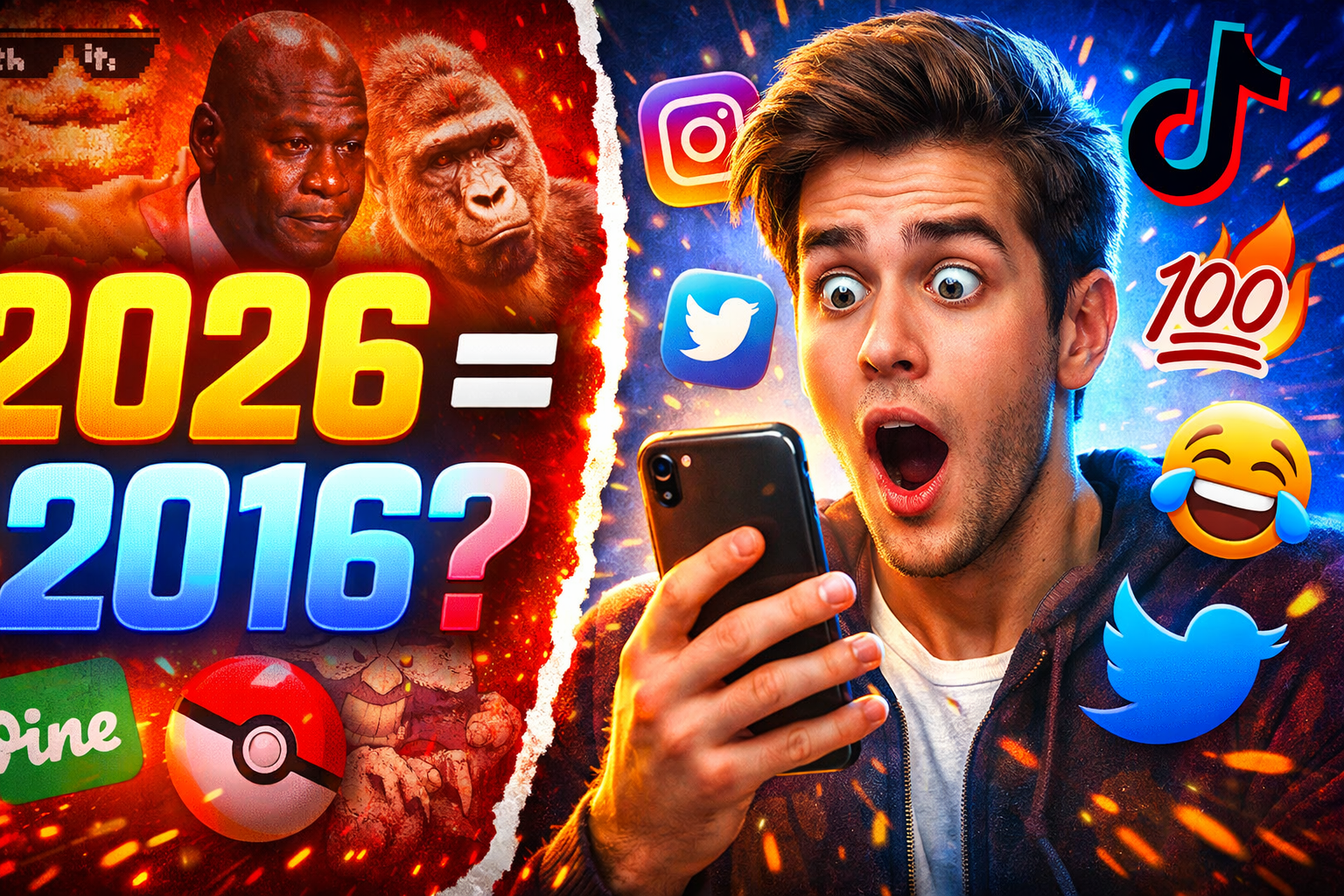
2026 Is the New 2016: Why This Viral Internet Trend Is Taking Over Social Media
In 2026, something unusual is happening across the internet. Millions of users are suddenly looking back ten years and saying the same thing: “2026 feels exactly like 2016.”
From nostalgic edits to viral memes and throwback music playlists, the idea that “2026 is the new 2016” has exploded across social media. On platforms like TikTok, Instagram, X, and YouTube, creators are posting videos comparing the two years — highlighting similarities in fashion, pop culture, music, and internet humor.
But why is this trend suddenly everywhere? And why are so many people convinced that history is repeating itself online?
Let’s explore the viral phenomenon that is taking over the internet in 2026.
The Rise of the “2016 Nostalgia” Trend
The internet runs on nostalgia, and 2016 holds a special place in digital culture. Many users remember it as a golden era for memes, music, and online creativity.
Back in 2016, social media was dominated by viral challenges, Vine-style humor, meme pages, and rapidly growing creator communities. Platforms were less commercialized, and the internet felt more spontaneous and fun.
Fast forward to 2026, and a new generation of creators has started recreating that same vibe. Viral videos now feature:
- 2016-style meme edits
- Throwback filters and aesthetics
- Old internet jokes returning
- Music from the mid-2010s
- “POV: It’s 2016 again” videos
Many of these posts receive millions of views within hours, showing how strongly audiences connect with nostalgia-driven content.
Why 2016 Was So Iconic Online
To understand why this trend is exploding, it helps to remember what made 2016 special in internet culture.
1. The Golden Age of Memes
In 2016, meme culture reached a new level. Viral jokes spread across the internet faster than ever, creating a shared global humor.
Popular meme formats spread from small communities to millions of people overnight. This era built the foundation for modern meme culture that still exists today.
Now in 2026, creators are reviving those meme styles, often mixing them with modern editing techniques.
2. The Influence of Early Social Media Creators
The mid-2010s saw the rise of internet creators who built huge audiences through short videos, reaction clips, and comedic skits.
While today’s platforms are more professional and algorithm-driven, many people remember that earlier era as more authentic and creative.
Creators today are recreating that energy by posting low-production, high-creativity content, similar to what was popular ten years ago.
3. The Return of 2010s Music
Another reason the trend is exploding is music nostalgia.
Songs from the mid-2010s are suddenly trending again across social media. Many viral videos now use throwback soundtracks that instantly trigger memories for viewers.
Music nostalgia is powerful because it connects directly to emotions and memories. When users hear songs from their teenage years, they often feel a strong desire to relive that time.
This emotional reaction helps these videos go viral.
Why This Trend Is Exploding in 2026
Several factors explain why this specific trend has gained so much momentum this year.
Social Media Runs on Cycles
Internet culture often repeats itself in cycles of about 8–10 years.
Styles, humor, and aesthetics that once felt outdated eventually become trendy again because a new generation discovers them for the first time.
For younger users who were children in 2016, the era now feels nostalgic and “retro.”
The Internet Loves Throwback Content
Throwback content consistently performs well on social media algorithms.
When people see nostalgic posts, they are more likely to:
- Watch the entire video
- Share it with friends
- Comment about their memories
These engagement signals push the content to even more users, causing the trend to spread rapidly.
Short-Form Video Accelerates Trends
Short-form video platforms are designed to make trends spread faster than ever before.
A single viral video can inspire thousands of similar posts within hours. When creators see that nostalgia videos are gaining views, they quickly create their own versions.
Within days, the trend becomes global.
The Aesthetic of the “2016 Internet”
One reason the trend is so visually recognizable is the distinct aesthetic people associate with that time.
Creators recreating the 2016 vibe often include:
- Bright neon editing styles
- Meme captions in bold fonts
- Glitch effects and retro filters
- Fast-paced meme cuts
- Classic reaction images
These elements instantly remind viewers of older internet culture.
Brands and Influencers Are Joining the Trend
Whenever something goes viral online, brands quickly try to participate.
Many companies are now posting nostalgic content referencing 2016 internet culture. Some influencers are even recreating their old videos from that time to show how much social media has changed.
This participation from brands and influencers pushes the trend even further into the mainstream.
The Psychology Behind Nostalgia Trends
Psychologists say nostalgia trends become popular during times when people feel overwhelmed by rapid change.
Technology, artificial intelligence, and constant digital updates are transforming daily life. In response, many people look back to earlier internet eras that felt simpler and more fun.
The “2026 is the new 2016” trend taps into that feeling perfectly.
It allows users to briefly escape the pressure of modern digital life and remember a time when the internet felt more playful.
Will This Trend Continue?
Most viral trends fade quickly, but nostalgia trends often last longer because they connect with deep emotional memories.
As long as creators continue remixing old memes, music, and aesthetics, the trend is likely to keep evolving.
Some experts believe the internet may soon see a broader revival of 2010s culture, including:
- Fashion trends
- Music styles
- Video editing aesthetics
- Early social media humor
If that happens, the “2016 revival” could become one of the defining internet trends of 2026.
Final Thoughts
The viral idea that “2026 is the new 2016” shows how powerful nostalgia can be in shaping online culture.
What started as a few nostalgic videos has now become a global trend spreading across major platforms. By mixing old internet humor with modern content styles, creators have found a formula that resonates with millions of viewers.
Whether it’s throwback memes, old music, or retro editing styles, one thing is clear: the internet never truly forgets its past.
And in 2026, the past is trending again.